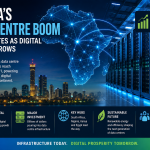
Nigeria’s ambition to become a leading digital economy in Africa is facing significant hurdles, as industry stakeholders call for urgent and decisive government intervention to unlock the sector’s full potential.At a recent media capacity-building session bringing together technology leaders and journalists, experts highlighted how inconsistent policies, regulatory bottlenecks, and multiple taxation continue to slow progress in the country’s digital infrastructure space. The discussion focused on the future of connectivity, data centres, and broader digital development across Nigeria and the African continent.Speaking at the event, Muhammed Rudman, Chief Executive Officer of the Internet Exchange Point of Nigeria, described the sector’s challenges as complex and interconnected. According to him, building a strong digital ecosystem requires more than just internet access—it depends on reliable electricity, modern data centres, efficient connectivity, and supportive regulations.He emphasized that government plays a central role in addressing these structural barriers. Without clear and coordinated policies, efforts by private sector players may continue to face delays and increased costs.One of the major concerns raised was the high cost of interconnection within Nigeria. Regulatory challenges, including right-of-way charges and bureaucratic procedures, have made expanding network infrastructure both expensive and slow. Experts argue that nationwide fibre deployment, supported by government-friendly policies, could significantly reduce internet costs and improve access.Stakeholders also stressed the need to strengthen local digital capacity by promoting domestic hosting of data and services. Encouraging government agencies to host their platforms locally, they noted, would boost local internet traffic and stimulate investment in Nigeria’s growing data centre ecosystem.However, beyond infrastructure gaps, investors remain wary of administrative inefficiencies. Delays in clearing essential telecom equipment and overlapping regulatory demands were cited as persistent obstacles. In some cases, businesses face multiple layers of taxation across federal, state, and local authorities, creating an unpredictable operating environment.Despite these challenges, industry leaders remain optimistic. Nigeria’s large population and rapidly growing internet usage continue to position it as one of Africa’s most promising digital markets. With the right policies and consistent regulatory support, experts believe the country can still achieve its goal of becoming a dominant force in the global digital economy.


Show Comments (0)
Hide Comments (0)