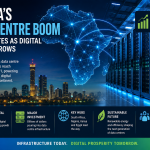
Nigeria’s digital economy is on track to become a major growth engine for the country’s economy, with industry leaders projecting revenue of approximately $18.30 billion by 2026 — a nearly fourfold increase from $5.09 billion in 2019.
Speaking at the 2025 Business Journal Annual Lecture in Lagos, Mr. Olatunde Amolegbe, Managing Director & CEO of Arthur Stevens Asset Management Limited, said the surge reflects Nigeria’s rapid digital transformation and the rise of innovative technology sectors across the economy.
“Nigeria’s digital economy is undergoing rapid transformation, positioning the country as one of Africa’s leading technology-driven markets,” Amolegbe said, noting that the country now hosts several homegrown tech unicorns and enjoys over 107 million internet users, driven largely by mobile connectivity.
Key Drivers of Growth
- Fintech Expansion: Nigeria has produced multiple global fintech leaders — including Interswitch, Flutterwave, OPay, Andela, and Moniepoint — helping to fuel investment and digital inclusion.
- Mobile-First Connectivity: Mobile broadband and smartphone adoption have accelerated access to digital services across cities and rural areas alike.
- Technology Adoption: Platforms in AI, e-commerce, blockchain, and digital payments are reshaping economic activity beyond traditional sectors.
Economic Significance
Analysts say the rapid digital shift is reducing Nigeria’s reliance on oil revenue and diversifying economic output. The telecommunications and broader ICT sector has already become one of Nigeria’s fastest-growing contributors to GDP, accounting for increasing percentages year over year.
Further projections suggest the digital economy could contribute as much as 21 % of national GDP by 2030, reflecting the growing strategic importance of technology in Nigeria’s economic development.
Challenges Ahead
Despite strong momentum, experts caution that digital divides remain, especially in rural regions where infrastructure and broadband access lag behind urban centers. Bridging these gaps — alongside investments in skills, regulation, and policy support — will be critical to sustaining growth and ensuring inclusive opportunities.